Marketing Automation for Small Businesses: How to Convert Leads into Repeat Customers
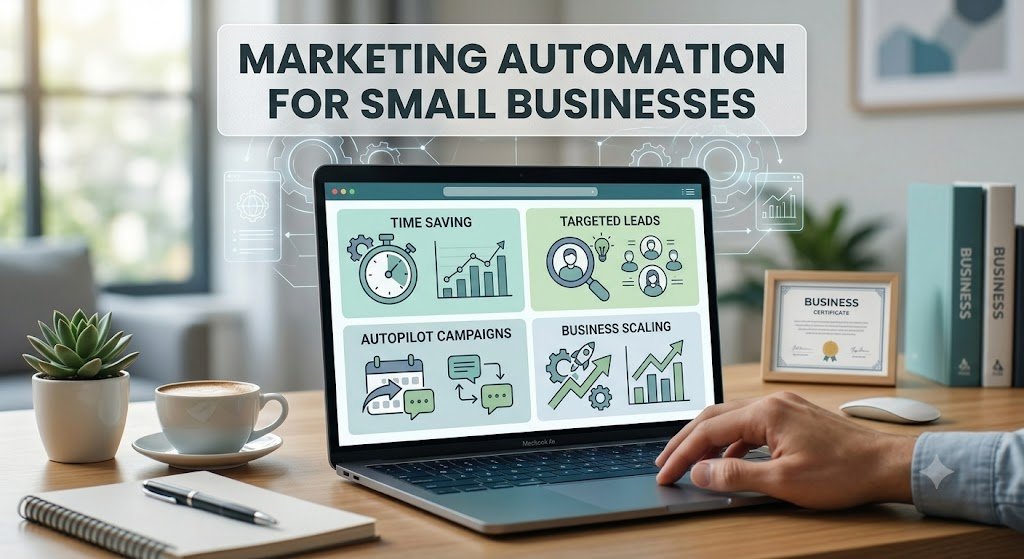
Generating leads is an important part of business growth, but converting those leads into paying customers is only half the journey. Small businesses also need to maintain relationships, encourage repeat purchases, and stay connected with customers without spending hours on manual follow-ups.
Marketing automation helps businesses manage these activities through predefined workflows, personalized messages, and customer behavior tracking. When implemented correctly, it can reduce repetitive work, improve communication, and create more opportunities for long-term customer relationships.
What Is Marketing Automation for Small Businesses?
Marketing automation uses digital tools to perform recurring marketing tasks based on customer actions, preferences, or predefined schedules. These activities may include sending welcome emails, following up with inquiries, reminding customers about abandoned carts, and sharing relevant offers.
For example, when someone fills out a contact form on a business website, an automated workflow can send an acknowledgment email, provide useful information, and schedule a follow-up reminder for the sales team.
Instead of treating every lead identically, businesses can organize contacts according to their interests and stage in the buying journey. This makes communication more relevant while allowing small teams to focus on important customer conversations.
Why Small Businesses Should Invest in Marketing Automation
Small businesses often operate with limited marketing budgets and smaller teams. Manually tracking every inquiry, appointment, and customer interaction can become difficult as the business grows.
Marketing automation can help address these challenges in several ways.
Saves time: Automated workflows handle repetitive activities, such as welcome messages and routine follow-ups.
Improves lead nurturing: Prospective customers receive useful information while they evaluate products or services.
Creates consistent communication: Leads do not have to rely entirely on someone remembering to send a message.
Supports customer retention: Existing customers can receive relevant product updates, renewal reminders, and loyalty offers.
Makes performance easier to measure: Marketing teams can review email engagement, lead conversions, purchases, and other useful indicators.
The goal is not to automate every conversation. It is to make routine communication more consistent while preserving personal attention where it matters.
Five Marketing Automation Strategies That Convert Leads
1. Build a Welcome Email Sequence
When someone subscribes to a newsletter or requests information, send an immediate confirmation and explain what they can expect next.
A short sequence could include an introduction to your business, helpful information about your products or services, answers to common questions, and a relevant next step.
Avoid overwhelming new subscribers with too many messages. Give them enough time to read and respond, and make it easy to unsubscribe.
2. Segment Leads by Interest
Not every prospect is looking for the same solution. A customer interested in a specific service may respond better to detailed information about that service than to a general promotional email.
Organize leads by factors such as the product they viewed, the service they requested, their purchase history, or their stage in the sales process. Use these details to deliver more relevant messages without collecting unnecessary personal information.
3. Follow Up on Incomplete Purchases and Inquiries
Some visitors leave an online store before completing checkout. Others submit a business inquiry but need more time before making a decision.
An automated reminder can help bring these prospects back. For service businesses, a scheduled follow-up can invite the prospect to book a consultation or ask additional questions.
For paid advertising campaigns, automation can also support follow-up after lead generation. Read How Meta Ads Services Help Businesses Generate High-Quality Leads to understand how targeted advertising can contribute to the lead acquisition process.
4. Turn First-Time Buyers into Repeat Customers
Customer relationships should not end after the first transaction. Create workflows that send order updates, product care instructions, service reminders, or recommendations based on previous purchases.
For example, a customer who purchases a skincare product might appreciate usage guidance before receiving a recommendation for a complementary item. A service-based business could send a maintenance reminder when a previous service is likely to need renewal.
Keep recommendations relevant and avoid sending promotions so frequently that customers begin ignoring them.
5. Use Retargeting to Reconnect With Interested Prospects
Some people visit a website, view a product, or interact with an advertisement without converting. Retargeting can help businesses reconnect with eligible audiences through relevant advertisements.
Combine this approach with useful email follow-ups where the business has appropriate permission to contact the person. Frequency controls and audience exclusions help prevent excessive advertising, particularly for customers who have already purchased.
For more information, explore What Is Retargeting? How Does It Work?.
Choosing the Right Marketing Automation Tools
Small businesses do not necessarily need an expensive, complicated platform. The right solution depends on the size of the customer database, sales process, budget, and channels used to reach customers.
Look for essential features such as email automation, contact segmentation, CRM integration, workflow triggers, reporting, and consent management. Businesses selling online may also benefit from abandoned-cart reminders and purchase-based recommendations.
Start with one clearly defined workflow before introducing several automations. Test the messages, check that links work correctly, and confirm that customers receive communications at the appropriate time.
How to Measure Marketing Automation Success
Track metrics that reflect business outcomes rather than relying exclusively on email opens or social media engagement.
Useful indicators include lead-to-customer conversion rate, repeat purchase rate, revenue generated by campaigns, unsubscribe rate, cost per acquired customer, and time taken to respond to inquiries.
Review performance regularly and experiment with subject lines, message timing, calls to action, and audience segments. Ensure that tracking and attribution are configured appropriately before drawing conclusions about campaign results.
Conclusion
Marketing automation can help small businesses manage leads, improve follow-ups, and maintain stronger customer relationships without increasing every manual task. The most effective approach begins with a clear customer journey, useful communication, and measurable goals. At DigiKliq Infotech, businesses can explore digital marketing approaches that connect lead generation with ongoing customer engagement. Start with one practical workflow, evaluate its results, and improve it over time. With relevant messaging and thoughtful implementation, marketing automation can become a valuable part of sustainable business growth.