Beyond Traditional SEO: How AI Search and Generative Engine Optimization (GEO) Are Changing Digital Marketing
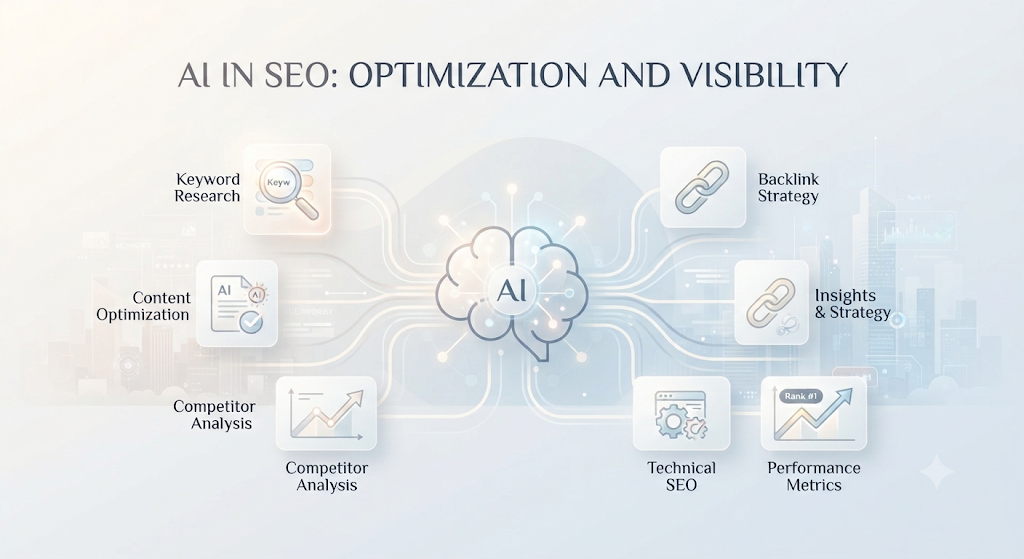
Introduction
People are discovering businesses through more than traditional search result pages. Search engines remain important, while AI assistants and answer experiences are changing how users ask questions and receive information. Instead of scanning a list of links, a person may see a generated response that summarises information from several sources.
Businesses therefore need content that works for conventional search and is also clear enough for AI systems to interpret. Generative Engine Optimization (GEO) describes practices intended to help relevant brand information be understood and potentially referenced in AI-generated answers. GEO complements SEO; it does not replace it or guarantee a citation.
1. Traditional SEO is still the foundation
Search engine optimisation helps platforms discover, crawl, understand, and rank web pages. Core practices include useful content, logical site structure, descriptive titles, internal links, mobile usability, page performance, and indexability. A page that cannot be accessed or does not answer a visitor’s question is unlikely to perform well simply because it repeats a keyword.
Keyword research should begin with search intent. Someone looking for a service price needs different information from a person comparing providers. Mapping each topic to the right page reduces overlap and helps visitors move from research to action.
2. How AI-powered search changes discovery
AI search experiences can interpret longer questions, connect related concepts, and generate summaries. People may ask for recommendations, comparisons, explanations, or step-by-step guidance in natural language. Businesses should consider the questions customers ask throughout their decision process, not only short, high-volume keywords.
AI-generated responses can draw on different sources depending on the query, platform, and time. There is no guaranteed formula for being mentioned. Clear information, accessible pages, credible references, and a consistent description of the business can make content easier to understand, but placement remains outside a publisher’s control.
3. Create content that answers real questions
Begin with customer questions. Publish pages that explain services, define technical terms, compare options fairly, describe processes, and address common concerns. Put a direct answer near the beginning, then add supporting detail, examples, limitations, and next steps. Use headings that accurately describe each section.
Original information helps a page stand apart from generic summaries. Add practical examples, first-hand process explanations, expert commentary, or relevant data where available. Verify statistics and cite dependable sources. Avoid unsupported claims, invented experience, and large volumes of lightly edited AI text.
4. Keep business information consistent
Search systems need to understand who publishes information and what the organisation offers. Keep the business name, contact details, service descriptions, and location information accurate. Maintain clear About, Contact, and service pages. Where appropriate, use structured data that matches visible page content and follows search engine guidelines.
Consistency matters beyond the website. Update reputable business profiles when services or contact details change. Avoid fake reviews, misleading listings, or unrelated mentions designed to influence recommendations. Trust is built through verifiable information and a reliable customer experience.
5. Improve technical accessibility
Important content should be accessible to crawlers and visitors. Review robots directives, XML sitemaps, canonical tags, redirects, internal links, mobile usability, and page speed. Make sure key information is available as readable page content rather than being hidden only inside images or inaccessible interactive elements.
Clear headings, descriptive link text, and accurate structured data can improve understanding. Markup does not guarantee rich results or AI citations, and it should never describe information that is absent from the visible page.
6. Build credibility through useful references
A brand’s reputation is shaped by more than its own website. Relevant industry publications, professional associations, useful partner resources, and genuine customer feedback can help people evaluate a business. Digital PR should focus on newsworthy expertise and useful contributions, not mass-produced links or paid placements disguised as independent endorsements.
Invite honest customer feedback and respond professionally to concerns. Publish author information where appropriate and explain how content is reviewed. These steps help readers understand who is responsible for the information and why it may be useful.
7. Measure visibility across channels
Traditional SEO reporting can track indexed pages, organic impressions, clicks, rankings, and conversions. For AI search, teams may also monitor whether a brand appears in relevant prompts, which pages are referenced, and whether the information is accurate. Use a consistent set of prompts, platforms, locations, and dates because responses can vary.
Do not treat one AI answer or visibility score as a complete performance measure. Connect visibility work to website visits, qualified enquiries, assisted conversions, and customer feedback. Record the testing method so that changes can be interpreted fairly.
8. A practical SEO and GEO action plan
Start by auditing the pages most important to the business. Check whether each page serves a distinct search need, provides accurate service information, and offers a clear next step. Improve outdated content, add relevant internal links, and resolve technical barriers. Then identify customer questions that are not adequately answered and create useful resources for them.
Review content when services, regulations, or customer expectations change. AI tools can assist with research and workflow efficiency, but outputs must be verified and editorial responsibility must remain with people. The goal is to make high-quality information easy for both readers and search systems to understand.
Conclusion
AI search is expanding how customers find and evaluate businesses, but the fundamentals of useful digital marketing remain important. Strong technical SEO, clear service information, original content, credible references, and consistent measurement support both conventional search and emerging answer experiences. GEO adds attention to how information may be interpreted and referenced in generated responses, without promising placement or citations.
Businesses planning to improve their search visibility and digital presence can explore services and information from DigiKliQ Infotech to identify improvements that fit their goals.
DigiKliQ Infotech recommends an integrated approach in which search optimisation, content quality, technical performance, and audience needs work together. For more background on AI, SEO, and generative search, read How AI-Powered SEO and GEO Are Changing Digital Marketing in 2026. This existing article explores AI-assisted optimisation and changing search experiences.